
Innovation shapes the trajectory of education, extending beyond digital tools into the classroom environment itself. Modern classroom furniture plays an increasingly important role in creating learning spaces that are flexible, engaging, and supportive of diverse learning styles.
Educators are adopting active classroom furniture or combining traditional desks with flexible options to foster movement, collaboration, and engagement. This approach aligns particularly well with kinesthetic learning, which emphasizes physical activity and hands-on experiences as key methods for understanding. Students can move, fidget, and interact with their environment, enhancing focus, retention, and overall learning satisfaction.
How Do Stand-Up Desks Encourage Movement and Engagement?
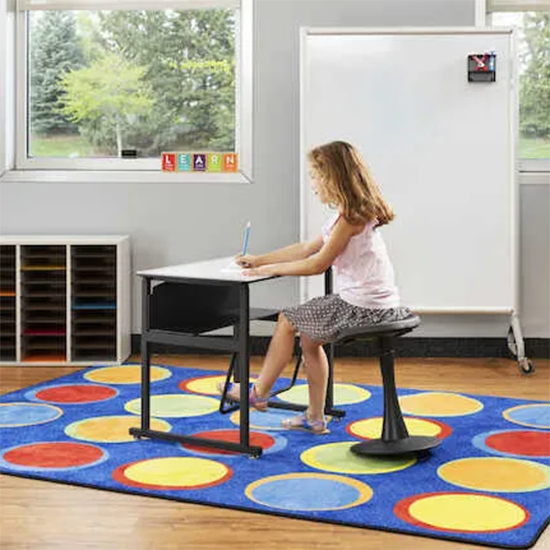
Stand-up desks allow students to alternate between sitting and standing, helping them adjust posture and expend energy in healthy ways.
Features such as pendulum footrests provide a quiet way to move while staying attentive, while optional dry-erase board work surface tops and adjustable-height frames make these types of desks versatile for active learning environments.
By supporting both physical activity and focus, stand-up desks help students remain engaged throughout lessons.
Can Classroom Furniture Support Both Learning and Physical Activity?
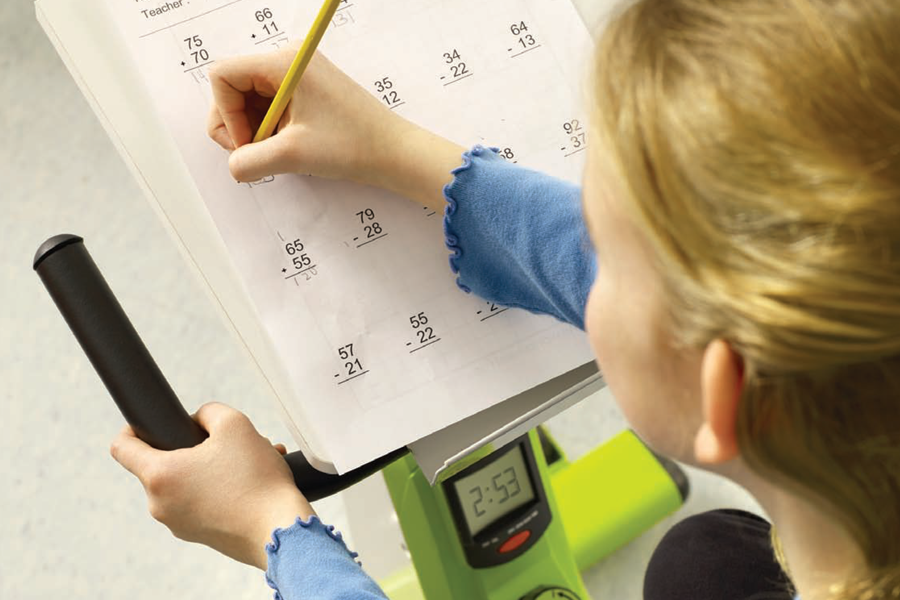
Yes. Mobile desks and active learning tools are designed to blend physical activity with academic study. For example, classroom stationary bikes allow students to pedal while staying on task.
These options are especially beneficial for kinesthetic learners and students who focus better when they can move, helping create a more inclusive and dynamic classroom environment.
What Solutions Can Encourage Movement at Stationary Desks?
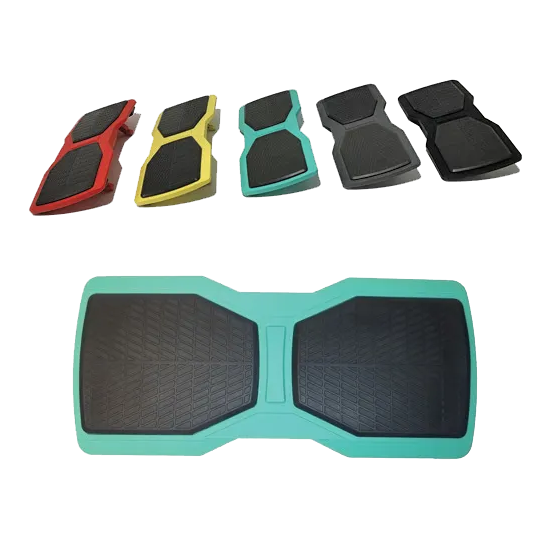
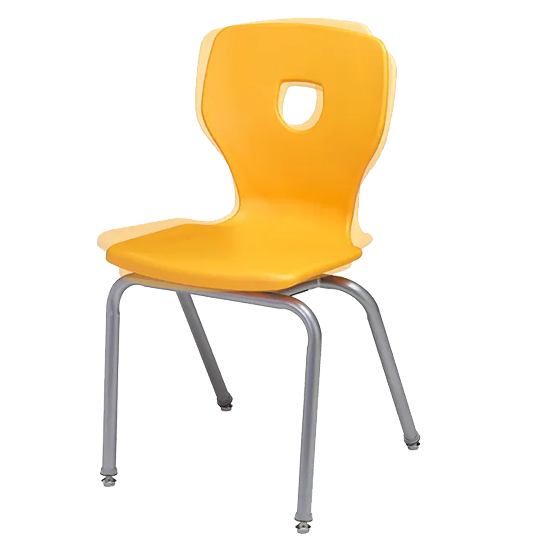
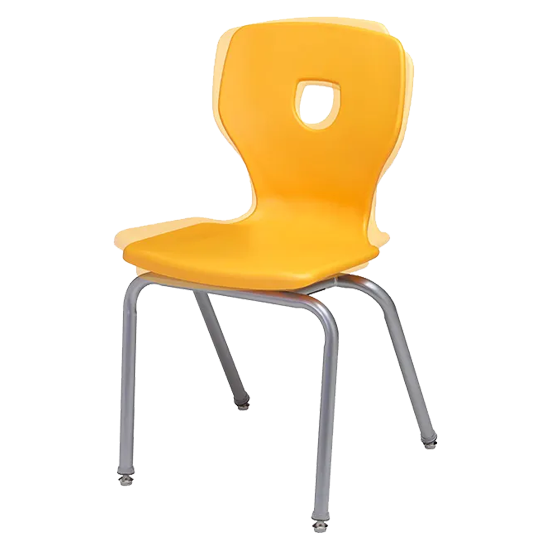
Teachers can enhance traditional desks with movement-friendly seating and tools. Active seating options, like Wiggle chairs, feature spring mechanisms that let students fidget and shift while seated, releasing energy without distraction.
Wobble stools have a slightly rounded base that encourages gentle motion as students work, helping improve focus and retention.
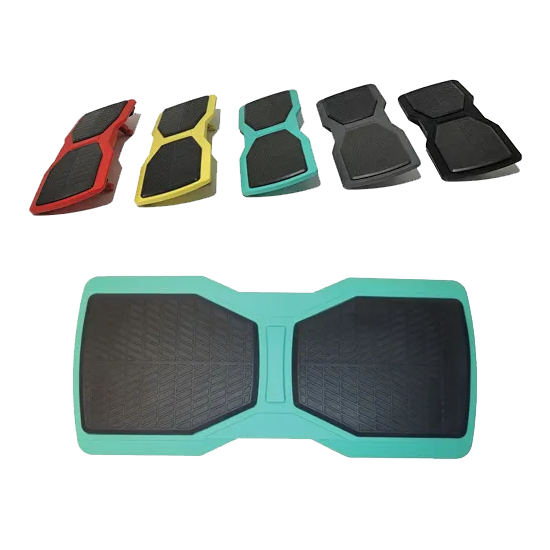
Footrests are another versatile option that can be placed under a desk or used on their own. These supports encourage light movement and balance, keeping students physically comfortable and mentally engaged.
Many designs allow students to rock gently while sitting or use the footrest as a balance board when standing, making them flexible additions to both seated and active learning setups.

How Does Modular Soft Seating Promote Active Learning?
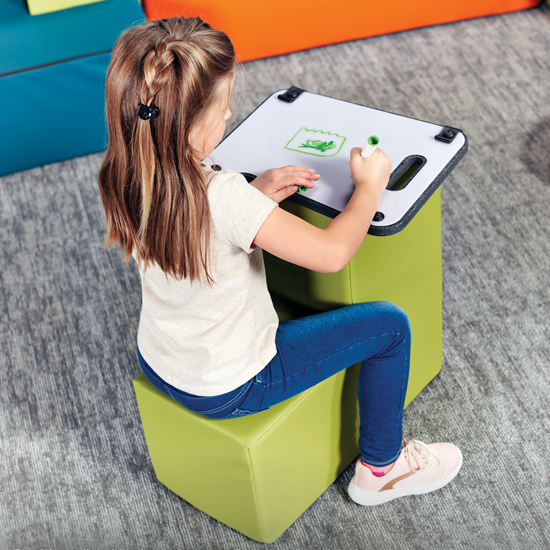
Modular soft play furniture is an excellent option for Pre-K and early childhood classrooms. Designed to be playful, flexible, and collaborative, these pieces adapt easily to learning environments that change throughout the day. They are lightweight and rearrangeable, allowing students to move them on their own. This independence supports experiential learning, teamwork, and imaginative play.
When choosing modular soft furniture, look for durable, easy-to-clean designs that can withstand daily use while maintaining a safe and inviting classroom atmosphere.
How Do Mobile Desks Contribute to a Dynamic Classroom Experience?
Mobile tablet arm chairs give students the freedom to move easily, work independently, or collaborate in groups without disrupting the class. This type of seating is especially valuable in middle school through high school settings, where group projects and quick collaboration are a regular part of learning. They’re also a great fit for before- and after-school clubs, providing a flexible setup for students to talk, plan, and share ideas together.
Designed with storage and adaptability in mind, mobile tablet chairs support a wide range of classroom activities—from individual, privacy-focused work to collaborative projects. Their flexibility and comfort make them an effective choice for creating learning environments that can shift seamlessly throughout the day.
Common Questions About Active Classroom Furniture
Q: What is active classroom furniture and why is it important?
A: Active classroom furniture includes desks, chairs, and seating options that allow movement and physical engagement. It supports kinesthetic learning, helps students focus, and promotes inclusivity for various learning styles.
Q: How do stand-up desks improve student learning?
A: Stand-up desks allow students to alternate between sitting and standing, helping regulate energy, reduce fidgeting, and maintain attention throughout lessons.
Q: Can traditional desks be adapted for movement?
A: Yes. Accessories like Jiggle Chairs and pedal footrests provide gentle movement, helping students stay engaged and comfortable without replacing existing furniture.
Q: What role does modular soft seating play in the classroom?
A: Modular soft seating encourages collaboration, creative play, and flexibility. It can be rearranged for various learning activities and helps students move while learning.
Q: Why are mobile desks useful for modern classrooms?
A: Mobile desks provide flexibility for group work, independent study, and student comfort. They support diverse learning styles and enable educators to arrange the classroom for multiple activities.
Embracing the Future of Learning Spaces
Modern classroom furniture supports physical activity, engagement, and inclusion, creating environments that cater to diverse learning styles. By integrating flexible seating, active desks, and modular options, educators can foster dynamic, student-centered classrooms that encourage focus, collaboration, and creativity.
Editor’s Note: This post was originally published in October 2023 and refreshed in October 2025 to include updated insights and strategies for creating flexible, movement-friendly learning environments.


